4 hours of feeding per day... and the danger of blackout exists
Fady Mahouly
16:37 · 13 July 2026
2 min read
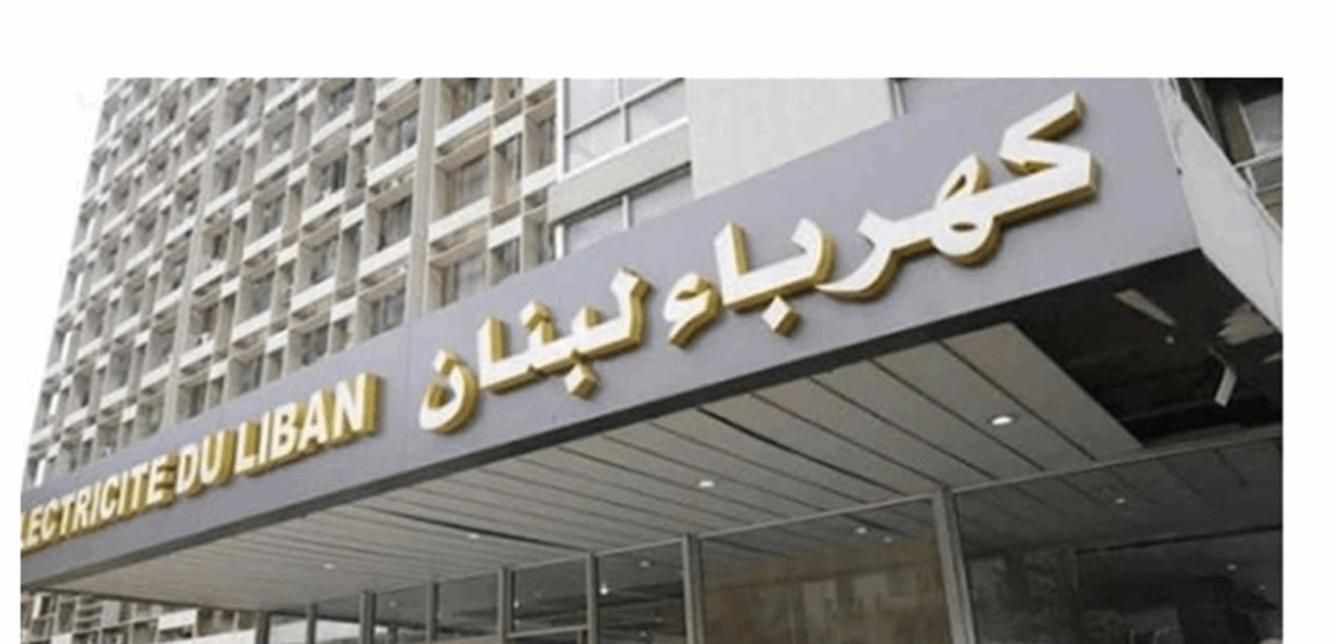
The Electricité du Liban explained that the decrease in electrical supply in some administrative areas of Beirut is mainly due to the limited production capacity available, especially during the summer season, which witnesses a noticeable increase in demand for electrical energy. Currently, the total available production does not exceed about 500 megawatts as a result of the current exceptional circumstances, primarily the significant rise in the prices of petroleum derivatives and the repercussions of the regional situation.
She indicated in a statement that the corporation's technical teams are facing increasing operational challenges, represented by the lack of production capacities of up to 1,000 megawatts on the network, which leads to fluctuations in frequency and tension and the sudden exit of network elements from service, which makes the possibility of a general outage (blackout) present at any time and on a daily basis, which leads to the inability to maintain the usual rate of electrical supply hours.
The Corporation affirmed that it is working hard to fully respect justice in power supply across all Lebanese territories, as the daily average hours of power supply is currently estimated at around four hours, with the exception of each of the lines that feed vital facilities and basic official departments in Lebanon (the airport, the port, palaces of justice, central prisons, water pumps, etc.), which cannot be separated from some of the surrounding residential neighborhoods for purely technical reasons, as detailed in the attached table about the average daily power supply hours for distribution outlets in power stations. The main transmission lines that supply Beirut’s administrative regions for the month of June 2026, according to the recordings of the micro-electronic M3 meters located on the distribution outlets in these stations that were provided to us by the distribution service provider companies.
The Foundation stated that, in the interest of transparency, citizens can access its official website (www.edl.gov.lb) to view the actual feeding hours until the end of June 2026 for most Lebanese regions, including the administrative area of Beirut, especially those located within the scope of the main Al-Harsh station.
The corporation reiterated that it and its users are making every effort to maintain a minimum level of stability in the electrical supply, despite the exceptionally difficult circumstances it is experiencing and the high prices of fuel.

← Previous article
President Aoun to Netanyahu: War will not achieve security
Related Articles
“The payment deadline has expired.” These parties are threatened with darkness!
After the deadline expires... Electricity of Lebanon cuts off power to state institutions and municipalities
As of Monday... southern towns are without electricity during the day